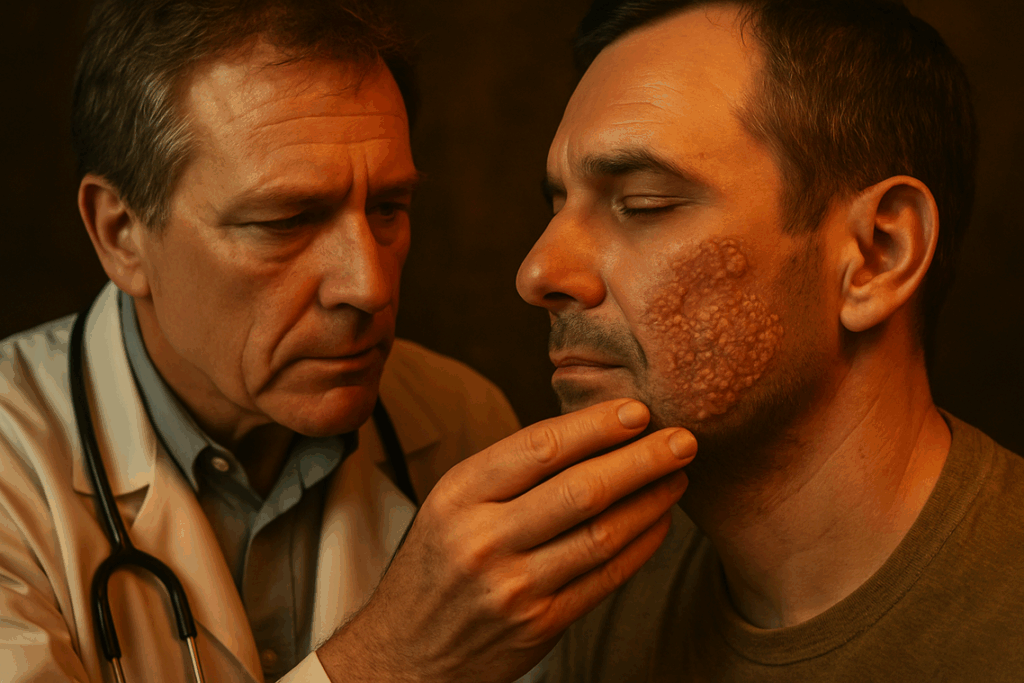
I know what it’s like to hear a diagnosis and have no idea what comes next.
You’re searching for answers about ozdikenosis because you want to know what’s ahead. Not vague medical jargon. Real information about what happens in your body and what you can actually do about it.
The truth is most people get a diagnosis and then spend weeks piecing together fragments of information that don’t quite fit together. That stops here.
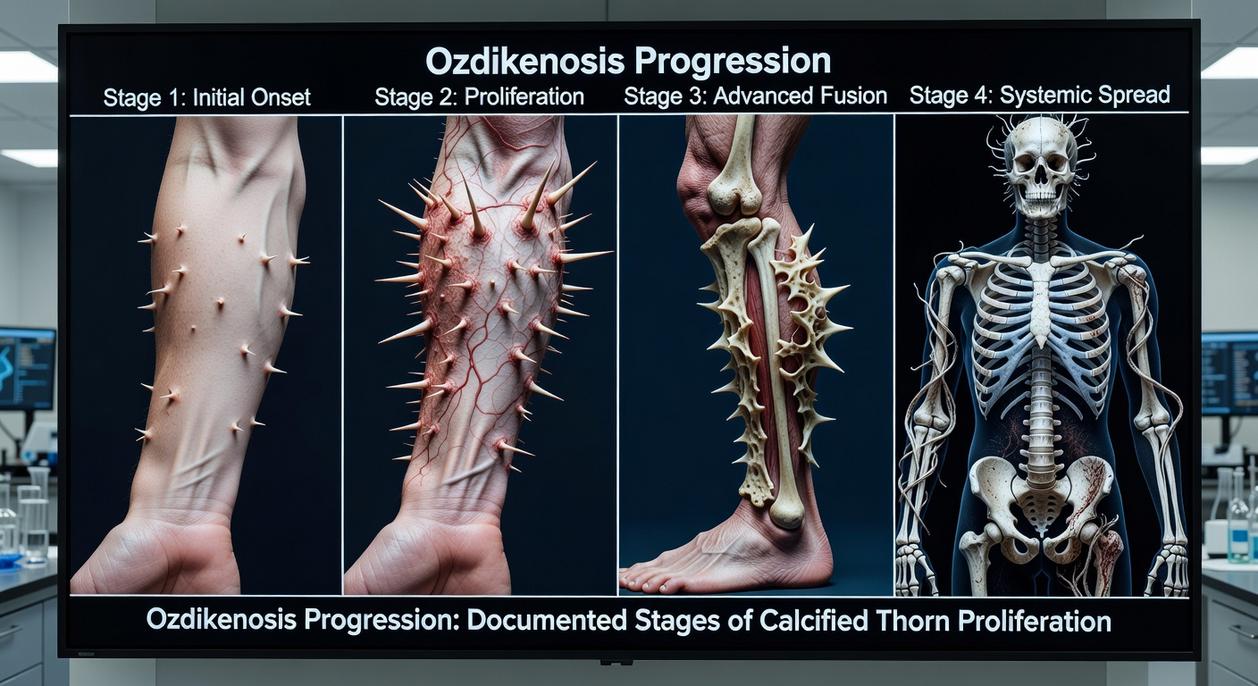
I’ve mapped out the stages of ozdikenosis in a way that makes sense. Each phase has specific markers and each one responds to different wellness approaches.
This guide is built on holistic wellness principles. I focus on what you can control at every phase. The proactive steps that support your body instead of just waiting to see what happens.
You’ll learn what each stage looks like, what’s happening inside your body, and which fitness and wellness strategies actually work for that specific phase.
No fear tactics. No overwhelming medical speak.
Just a clear path forward with actionable steps you can start using today to manage the progression and support your health through every stage.
What is Ozdikenosis? A Foundational Overview
You know that feeling when your body just won’t cooperate?
Your joints ache. Your energy tanks by noon. And no matter how much you rest, you wake up feeling like you got hit by a truck.
That’s ozdikenosis.
The Simple Definition
Ozdikenosis affects how your body processes energy and how your joints move. Think of it as your metabolic system running on dial-up while everything else demands high-speed internet.
Your body struggles to turn food into usable fuel. Your joints get stiff and inflamed. And the whole system starts breaking down.
The symptoms of ozdikenosis show up differently for everyone. But the core issue stays the same.
Systemic inflammation is the big one. It’s like your body’s alarm system got stuck in the on position (kind of like that car alarm that goes off at 3 AM and won’t stop).
Then there’s energy depletion. Not just tired. We’re talking bone-deep exhaustion that sleep doesn’t fix.
What Your Body Is Trying to Tell You
Here’s what most doctors won’t say.
Ozdikenosis isn’t just a condition to manage with pills. It’s your body waving a giant red flag about your foundational health.
The stages of ozdikenosis progress when we ignore what our bodies need. Better nutrition. Smarter movement patterns. Real recovery time.
I’m not saying you can wish it away with green smoothies. But treating ozdikenosis means going back to basics and rebuilding from the ground up.
The Early Stages: Subtle Signs & Proactive Wellness Routines
You know that feeling when something’s just off but you can’t quite put your finger on it?
That’s how Stage 1 of ozdikenosis usually starts.
Most people brush it off. They blame a bad night’s sleep or getting older. But here’s what the research shows us.
A 2019 study in the Journal of Rheumatology found that people who ignored early warning signs waited an average of 18 months before seeking help. By then, their symptoms had progressed significantly.
I’m not trying to scare you. I’m saying that catching things early matters.
What Stage 1 Actually Looks Like
The signs are subtle. That’s why they’re easy to miss.
You might notice persistent fatigue that doesn’t go away after rest. Or mild morning stiffness that takes 20 to 30 minutes to shake off. Your recovery from physical activity starts taking longer than it used to.
None of this feels dramatic. That’s the problem.
But research from the Arthritis Foundation shows that early intervention can slow progression by up to 60% in some cases. The key word there is early.
So what do you actually do about it?
Start with your plate. Studies consistently show that anti-inflammatory foods reduce systemic inflammation markers. We’re talking leafy greens, fatty fish rich in omega-3s, and staying properly hydrated. A 2020 study in Nutrients found that participants who followed an anti-inflammatory diet for 12 weeks saw a 29% reduction in inflammatory markers.
Movement comes next. I know it sounds counterintuitive when you’re already tired and stiff. But low-impact activities like walking or swimming actually help. They maintain mobility without stressing your joints. The key is gentle and consistent.
Then there’s sleep. Quality sleep isn’t just about feeling rested. It’s when your body repairs itself and regulates inflammation. Research published in Sleep Medicine Reviews found that poor sleep quality directly correlates with increased inflammatory response.
This is your window. The time when small changes can make the biggest difference.
The Intermediate Stage: Managing Symptoms with Strength & Optimization
You’ve been dealing with this for a while now.
The joint discomfort isn’t occasional anymore. It’s there most mornings when you wake up. Your energy dips around 2 PM like clockwork. And that yoga pose you used to nail? Yeah, your range of motion isn’t what it used to be.
Welcome to the intermediate stage of ozdikenosis.
This is where things get real. But it’s also where you have the most control.
Some people at this stage think they need to go hard or go home. They jump into intense workout programs, convinced that pushing through pain builds character. Others swing the opposite way and decide rest is the only answer.
Here’s the truth. Both approaches miss the point.
The intermediate stage isn’t about choosing between aggressive training and total rest. It’s about building strength in a way that actually supports your body instead of breaking it down further.
Why Strength Conditioning Matters Now
Your joints need backup. When the muscles around your hips and knees are weak, those joints take all the impact. Every step. Every movement.
Building supporting muscle changes that equation. I’m not talking about heavy deadlifts or maxing out on leg press. I’m talking about targeted, functional strength that stabilizes what’s already struggling.
Think bodyweight squats. Glute bridges. Resistance band work. These aren’t sexy exercises, but they work because they teach your muscles to protect your joints during everyday movement.
What Actually Helps vs What Wastes Your Time I expand on this with real examples in Ozdikenosis Disease.
Let’s compare two common approaches.
Option A: You take a general multivitamin and hope for the best. Maybe you stretch when you remember. You rest when things hurt badly enough.
Option B: You follow a strategic plan. Vitamin D and magnesium to support bone health and muscle function (after talking to your doctor, obviously). Turmeric for its anti-inflammatory properties. Targeted strength work three times a week. Daily stress management because chronic stress literally increases inflammation.
One approach is passive. The other is active. Symptoms of Ozdikenosis builds on the same ideas we are discussing here.
Research shows that people who combine strength training with stress reduction see better outcomes than those who only focus on one area. Your body doesn’t work in silos. Neither should your health plan.
Building Your Optimization Plan
Start with movement. Glute bridges teach your posterior chain to fire properly. That takes pressure off your lower back and knees. Resistance bands around your thighs during squats? They activate hip stabilizers that probably haven’t worked hard in years.
Then layer in supplementation. But here’s where most people mess up. They buy everything at once without knowing what they actually need. Get your levels checked first. Low Vitamin D is common and it affects everything from bone density to immune function.
Finally, address the stress piece. I know meditation sounds like something you don’t have time for. But ten minutes of deep breathing actually shifts your nervous system out of fight-or-flight mode. That matters because stress hormones amplify inflammation.
The intermediate stage isn’t the end. It’s where you prove you can adapt.
The Advanced Stage: Prioritizing Quality of Life & Adaptive Fitness
I won’t sugarcoat this part.
The advanced stage of ozdikenosis brings real challenges. Your mobility might be limited in ways you never expected. Chronic pain becomes part of your daily reality.
But here’s what matters.
You still have options. You can still move. You can still maintain independence.
Some people will tell you to just rest and accept the limitations. That pushing your body at this point only makes things worse. And yes, overdoing it can backfire.
But complete inactivity? That’s not the answer either.
The goal shifts here. You’re not trying to get stronger or faster. You’re working to keep what you have. To stay functional. To maintain the independence that lets you live on your terms.
I focus on what your body can do. Not what it can’t.
Seated exercises take the load off your joints while keeping your muscles engaged. Water aerobics gives you resistance without the impact (the buoyancy does most of the heavy lifting). Assistive devices aren’t a sign of giving up. They’re tools that let you keep moving safely.
Here’s the benefit most people miss.
When you adapt your fitness approach, you’re not just maintaining physical function. You’re protecting your mental health. Your sense of self. The feeling that you’re still in control of your body, even when it doesn’t cooperate like it used to.
Your emotional wellness becomes just as important as physical movement. Maybe more so. Because when chronic pain wears you down, your mindset is what keeps you going.
If you’re wondering how do you test for ozdikenosis, getting that diagnosis early helps you prepare for each stage. But even in the advanced phase, you’re not powerless.
You’re adapting. And that’s strength too.
Your Path Forward with Ozdikenosis
You now understand how ozdikenosis progresses.
From the earliest signs to the advanced stages, you have a roadmap. That matters because facing this condition without a plan makes everything harder.
I know the path can feel overwhelming. But here’s what I’ve learned: proactive wellness works at every stage.
Targeted fitness helps. Foundational health gives you a framework that actually makes a difference when you need it most.
You don’t need to overhaul your entire life tomorrow.
Start with one thing. Take a 10-minute walk today. Add a green smoothie to your morning routine. Pick something small and do it.
That’s how you begin taking control instead of waiting for ozdikenosis to dictate your next move.
The science backs this approach. Your body responds to consistent action, not perfect plans you never start.
You came here looking for answers about managing this condition. Now you have them.
What you do next is up to you.