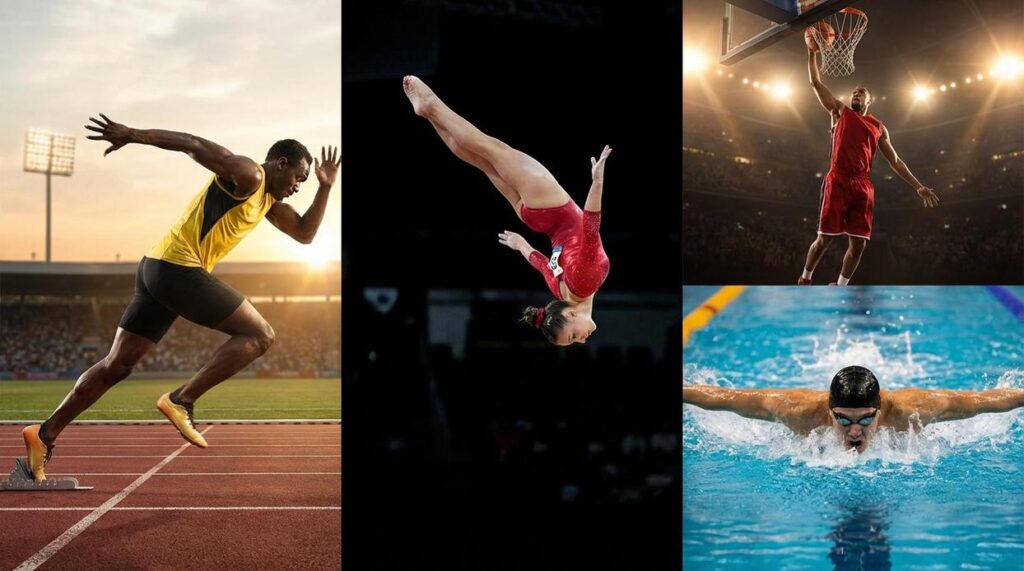
If you’re searching for a structured, results-driven way to elevate your performance, build lasting strength, and optimize your health, you’re in the right place. This guide breaks down the foundations of total fitness—combining strength conditioning, daily wellness routines, and performance-focused strategies rooted in olympic training discipline.
Many people train hard but see inconsistent results because they lack a clear framework. Without the right balance of progressive overload, recovery protocols, mobility work, and nutrition alignment, progress stalls. This article is designed to solve that problem by outlining practical, science-backed methods you can apply immediately.
Our approach draws on established strength and conditioning principles, sports performance research, and proven health optimization strategies used in elite training environments. You’ll learn how to structure your workouts, reinforce daily habits that accelerate recovery, and build a resilient foundation that supports long-term performance—not just short-term gains.
Whether your goal is strength, endurance, or total-body transformation, this roadmap will help you train with clarity and purpose.
The Blueprint of a Champion: Beyond the Podium
At first glance, elite athletes seem built on brutal workouts alone. However, the real edge comes from structure. A true champion follows a year-round system balancing strength cycles, recovery blocks, mobility drills, and mental rehearsal. This integrated framework—often called periodization (planned performance phases)—prevents burnout and sharpens peak output when it matters most.
What’s in it for you? Clarity. By understanding olympic training discipline, you can train smarter, avoid overuse injuries, and accelerate measurable gains. In other words, progress becomes predictable, not accidental. And when rest becomes strategic—not lazy—you unlock performance most people never realize they’re capable of.
The Master Plan: Periodization and Strategic Cycles
If you’ve ever wondered how elite athletes peak at exactly the right moment, the answer is periodization. Simply put, periodization is the structured division of a training year into phases designed to maximize progress and prevent burnout. Instead of training hard all the time (which sounds heroic but backfires fast), you train smart in cycles.
At the highest level, this mirrors olympic training discipline—precision, patience, and timing.
Macrocycles (The Yearly View)
Think of the macrocycle as your 12-month blueprint. It moves from general preparation in the off-season to highly specific, competition-ready sharpening. The benefit? You build foundations first, then layer intensity, so you peak when it counts—not randomly in March.
Mesocycles (The Monthly Blocks)
Next come mesocycles, typically 4–6 week blocks with a focused goal. For example:
- Strength foundation
- Power development
- Sport-specific endurance
This structure ensures measurable progress instead of scattered workouts.
Microcycles (The Weekly Schedule)
Finally, microcycles organize your week—balancing high-intensity sessions, skill work, active recovery, and full rest. As a result, your body adapts without breaking down (because growth happens during recovery, not just effort).
Ultimately, periodization gives you clarity, momentum, and sustainable gains—the difference between training hard and training with purpose.
Building the Engine: Strength and Conditioning Protocols
Great performance isn’t built on flashy workouts. It’s built on foundations. Think of strength and conditioning like constructing a high-performance car: horsepower means nothing without a reinforced chassis.
Foundational Strength: Base vs. Burn
Compound movements—squats, deadlifts, presses—train multiple joints and muscle groups at once. A squat isn’t just a leg exercise; it’s coordinated force production through the hips, knees, and core. Compare that to isolation machines: useful for targeting muscles, yes—but limited in teaching the body to move as one system.
Some argue machines are safer. In controlled rehab settings, that’s true. But for athletic resilience, free-weight compounds better mimic real-world force demands (NSCA Essentials of Strength Training & Conditioning).
A vs B:
- Free weights: Greater neuromuscular coordination, higher carryover to sport.
- Machines: More stability, less coordination demand.
Power Development: Strength vs. Speed
Raw strength without speed is like owning a Ferrari stuck in first gear. Plyometrics (explosive jump training), Olympic lifts like cleans and snatches, and ballistic throws convert force into velocity. This transfer—often central to olympic training discipline—bridges gym strength and on-field performance.
Critics say Olympic lifts are too technical. Fair. Poor coaching increases injury risk. But when taught progressively, they develop rapid force production unmatched by slower lifts (Haff & Triplett, 2016).
Core Stability and Mobility: Rigid vs. Responsive
Core stability means resisting unwanted movement, not endless crunches. Mobility refers to usable joint range of motion. Together, they create an efficient kinetic chain—the body’s linked movement system.
- Planks and carries: Anti-rotation strength.
- Mobility flows: Joint longevity.
Energy System Development: Aerobic vs. Anaerobic
Conditioning must match sport demands. Marathoners prioritize aerobic endurance (oxygen-based energy). Sprinters emphasize anaerobic power (short, high-intensity bursts). Training both equally? That’s like preparing for chess and boxing at the same time. Choose with intention.
Honing the Craft: Sport-Specific Skill and Endurance
The 10,000-Hour Rule in Practice
The 10,000-hour rule—popularized by Malcolm Gladwell—refers to the idea that mastery requires thousands of hours of deliberate practice (Ericsson et al., 1993). In elite training centers from Colorado Springs to Loughborough, athletes log painstaking technical drills daily. A swimmer refines hand entry to reduce drag; a sprinter rehearses block starts until reaction time becomes instinctive. This is olympic training discipline in action—movement patterns repeated until they’re automatic under stress.
Some critics argue talent outweighs repetition. Natural ability does matter. But without structured volume, even prodigies plateau (ask any coach watching a gifted teen skip fundamentals).
Competition Simulation
True preparation means rehearsing chaos. Coaches pump crowd noise through speakers, manipulate scorelines, or induce fatigue before tactical drills. Managing cortisol spikes and split-second decisions under pressure separates finalists from champions.
- Simulated last-minute plays
- Fatigue-loaded skill circuits
- Strategy adjustments mid-session
For deeper insight, see analyzing record breaking performances for practical takeaways.
Endurance Tailored to the Event
Endurance isn’t one-size-fits-all. A marathoner builds aerobic base—the body’s ability to sustain oxygen output over hours—through long, steady mileage. A soccer midfielder trains repeat-sprint ability: explosive bursts with incomplete recovery. Both demand conditioning, but their energy systems—and weekly programming—look entirely different (as any Premier League performance analyst will confirm).
The Performance Multiplier: Recovery, Nutrition, and Mental Fortitude
Elite results demand more than hard workouts—they require precision fueling, intentional recovery, and mental conditioning.
Fueling for Gold
Olympic-level nutrition centers on macronutrient timing—strategically planning carbohydrates, proteins, and fats around training. Carbs before sessions fuel output; protein (20–40g) post-workout accelerates muscle repair (Jäger et al., 2017, JISSN). Hydration matters just as much: even 2% dehydration can impair performance (ACSM). Supplements like creatine monohydrate and omega-3s may enhance power and recovery when used correctly.
The Science of Rest
Recovery isn’t laziness—it’s adaptation.
- Foam rolling to improve circulation
- Dynamic stretching for mobility
- 8–10 hours of sleep for hormonal balance
Advanced tools like cryotherapy and compression therapy can reduce soreness (though results vary).
Training the Mind
Sports psychologists teach visualization and mindfulness to sharpen focus under pressure. Practicing olympic training discipline builds resilience—so when the spotlight hits, you’re steady, not shaken (think “Rocky,” minus the dramatics).
Applying Elite Principles to Your Own Fitness Journey
Most people treat fitness as workouts; elite performers treat it as a system. That’s the difference.
Plan A: train hard when motivated, skip recovery, hope for results. Plan B: follow olympic training discipline, cycle intensity, schedule deload weeks, and measure progress. The second wins—consistently.
Periodization (structured phases of intensity and recovery) prevents plateaus and burnout. Likewise, sleep and nutrition aren’t “extras”; they’re inputs that drive adaptation (yes, Netflix can wait).
Some argue strict planning kills spontaneity. In reality, structure creates freedom. With progressive goals, you know when to push—and when to rest.
Build Strength That Lasts
You came here looking for a smarter way to build real strength, sustainable endurance, and a body that performs at its peak. Now you understand how structured programming, recovery balance, and olympic training discipline work together to create long-term fitness foundations—not quick fixes.
The truth is, inconsistency and scattered routines are what keep most people stuck. Without a clear system, progress stalls, motivation fades, and injuries creep in. A focused, performance-driven approach eliminates guesswork and replaces it with measurable growth.
Now it’s time to act. Commit to a structured strength conditioning plan, refine your daily wellness routine, and apply these principles with intention. If you’re ready to stop spinning your wheels and start training with purpose, take the next step today. Follow a proven framework, stay disciplined, and transform your potential into performance. Your strongest version is built through action—start now.