If you’re searching for a smarter way to build strength, improve endurance, and sustain long-term health, it starts with understanding what truly supports total fitness. Too many people focus on workouts alone—overlooking the foundational systems that drive energy, resilience, and consistent performance.
This article is designed to help you cut through the noise. We’ll break down practical strength conditioning principles, daily wellness routines that actually move the needle, and the role of recovery science methods in accelerating results without burnout. Whether your goal is optimizing performance or simply feeling stronger and more capable each day, you’ll find clear, actionable guidance here.
Our insights are grounded in evidence-based training frameworks, current exercise physiology research, and proven health optimization strategies used by performance professionals. By the end, you’ll understand how to align training, recovery, and daily habits into one sustainable system—so progress becomes predictable, not accidental.
Decoding the Science of Physical Recovery
Inside the Lab and the Training Room
As recovery science takes center stage in reshaping modern training methods, it aligns closely with concepts explored in Ozdikenosis, challenging traditional paradigms and emphasizing the critical role of recovery in optimizing athletic performance.
In elite training hubs from Denver altitude camps to Manchester performance labs, recovery isn’t guesswork—it’s measured. Scientists validate protocols using randomized controlled trials (a study where participants are randomly assigned to groups), longitudinal tracking, and biomarker analysis like creatine kinase levels to assess muscle damage. These recovery science methods separate cold-plunge hype from clinically meaningful results.
Skeptics argue that lab settings can’t replicate real-world grind. Fair point. But field-based GPS load monitoring and heart rate variability (HRV) tracking bridge that gap.
• CONSISTENCY
Without consistent data, even the fanciest compression boots are just expensive socks.
Core Research Designs: From Observation to Intervention
Understanding research design is like learning the rules of the game before trusting the scoreboard. In fitness and recovery, that matters.
First, observational studies track patterns without вмешning. Researchers might follow a cohort (a group observed over time) and notice that athletes who sleep eight hours report fewer injuries. Alternatively, a case-control study compares injured athletes to non-injured ones and looks backward to see differences in habits. However, correlation simply means two things move together—not that one causes the other. Ice cream sales and sunburn both rise in summer (but sprinkles aren’t the culprit).
Next, Randomized Controlled Trials (RCTs) test cause-and-effect. Participants are randomly assigned to an intervention group (using a massage gun) or a control group (not using one). Because randomization reduces bias, differences in outcomes are more likely due to the tool itself. Pro tip: When evaluating a product claim, check whether it cites an RCT or just testimonials.
Then there are cross-over designs, common in exercise science. Here, each participant tries multiple strategies in sequence—say, foam rolling for four weeks, then compression boots. Since each person acts as their own control, individual variability shrinks. This is one of the most practical recovery science methods for real-world testing.
So why does this matter? Before adopting a new recovery routine, ask: Is this correlation or causation? Try a mini cross-over yourself—track one strategy for two weeks, switch, and compare results. Data beats hype every time.
Quantifying Recovery: The Data Behind the Feeling
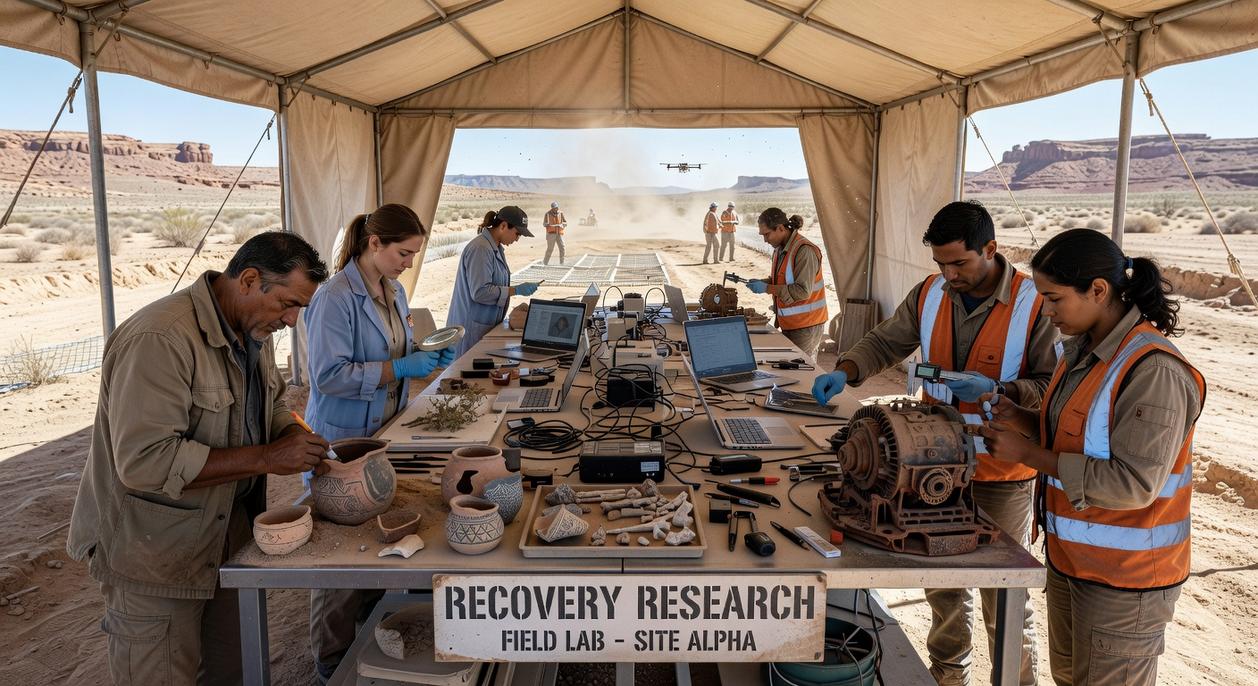
Recovery isn’t just a vibe. It’s data.
Many athletes rely purely on how they feel. Others trust only lab numbers. The real advantage comes from combining both. Subjective metrics are self-reported measures—tools like Rate of Perceived Exertion (RPE), wellness questionnaires, and the Visual Analog Scale (VAS) for soreness. They capture internal load, or how hard training feels to you personally. That matters because perception often shifts before performance drops.
But here’s the catch: feelings can lie (ever felt amazing right before crashing mid-workout?). Sleep, stress, even caffeine can skew perception. That’s where objective data sharpens the picture.
Objective biomarkers—measurable substances in the body—offer biochemical proof. Creatine Kinase (CK) rises when muscle fibers are damaged. C-reactive protein (CRP) reflects systemic inflammation (a whole-body immune response). According to research published in the Journal of Applied Physiology, elevated CK levels often correlate with muscle strain after intense resistance training. That’s hard evidence, not guesswork.
Performance metrics complete the triangle. Vertical jump height, sprint speed, and strength output reveal whether your nervous system and muscles are truly ready. If your jump is down 8%, your body is telling a story—whether you “feel fine” or not.
The benefit? You recover smarter, not longer. You reduce injury risk, optimize training timing, and return to peak output faster.
Some argue tracking this data is excessive. But when progress stalls, clarity wins. Data turns recovery from a mystery into a measurable advantage.
The Cutting Edge: Modern Tools in Recovery Research
A few years ago, I strapped on my first wearable after a brutal training cycle and expected it to confirm what I felt—total exhaustion. Instead, my Heart Rate Variability (HRV)—a measure of nervous system readiness—told a more nuanced story. That moment changed how I viewed recovery. Today, researchers use wearables to collect longitudinal data (information gathered over long periods) on HRV, sleep architecture (the structure of sleep stages), and daily strain. In other words, we’re no longer guessing—we’re measuring real life, not just lab snapshots.
Meanwhile, in clinical settings, advanced imaging techniques like ultrasound and MRI (Magnetic Resonance Imaging) allow practitioners to visualize muscle tissue damage and track the healing process in remarkable detail. I once watched an ultrasound reveal microtears I couldn’t feel yet—proof that soreness isn’t the whole story (humbling, to say the least).
Then there are Systematic Reviews & Meta-Analyses—studies that pool data from dozens of trials to establish consensus. They sit at the top of evidence hierarchies because they reduce bias and increase statistical power (Higgins et al., 2022). While some argue individual experience matters more than pooled data, recovery science methods show patterns we’d otherwise miss.
For athletes exploring the rise of hybrid athletes blending strength speed and endurance, these tools offer clarity in a noisy fitness world.
Group studies guide us, but your body is an N=1 experiment. Genetics, training age, sleep debt, and stress shift outcomes. That’s why copying an elite athlete’s ice bath routine can backfire. Yes, randomized controlled trials (RCTs) matter—but ask: Was it an RCT? What metrics were used? Who funded it? Most viral gadgets lean on shaky data.
Here’s the contrarian take: STOP CHASING HACKS. The marginal gains crowd loves cryo-chambers; the boring basics win. Consistent sleep, protein timing, progressive loading—these recovery science methods outperform flashy tech (sorry, biohacker Twitter). Build foundations first. Then test tweaks patiently. Every body responds differently. Seriously.
Now that you understand how recovery science works, you can build a smarter wellness protocol instead of chasing trends. First, revisit your routine. Are your cold plunges, supplements, or sleep hacks supported by randomized controlled trials (RCTs) or influencer anecdotes? The fitness industry is loud, but data is quiet and reliable. Focus on recovery science methods that rely on RCTs and objective data to measure outcomes like strength gains, HRV, or injury reduction. Then, pick one practice you use weekly and review the evidence behind it. (If you cannot find research, that is a clue.) Refine, test, and track results.
Build Strength That Lasts
You came here looking for a smarter way to build strength, optimize your health, and create a routine that actually works long term. Now you understand how total fitness foundations, structured strength conditioning, daily wellness habits, and recovery science methods work together to produce real, sustainable results.
The truth is, inconsistency, burnout, and stalled progress happen when recovery is ignored and training lacks structure. That frustration of putting in effort without seeing results ends when your plan supports both performance and repair.
Now it’s time to take action. Start implementing a structured conditioning protocol, schedule intentional recovery blocks, and commit to daily wellness practices that reinforce your progress. Don’t let overtraining or guesswork hold you back.
If you’re ready to stop spinning your wheels and follow a proven, results-driven system trusted by high performers, begin your optimized fitness plan today. Your stronger, healthier, more resilient body starts with the next decision you make.