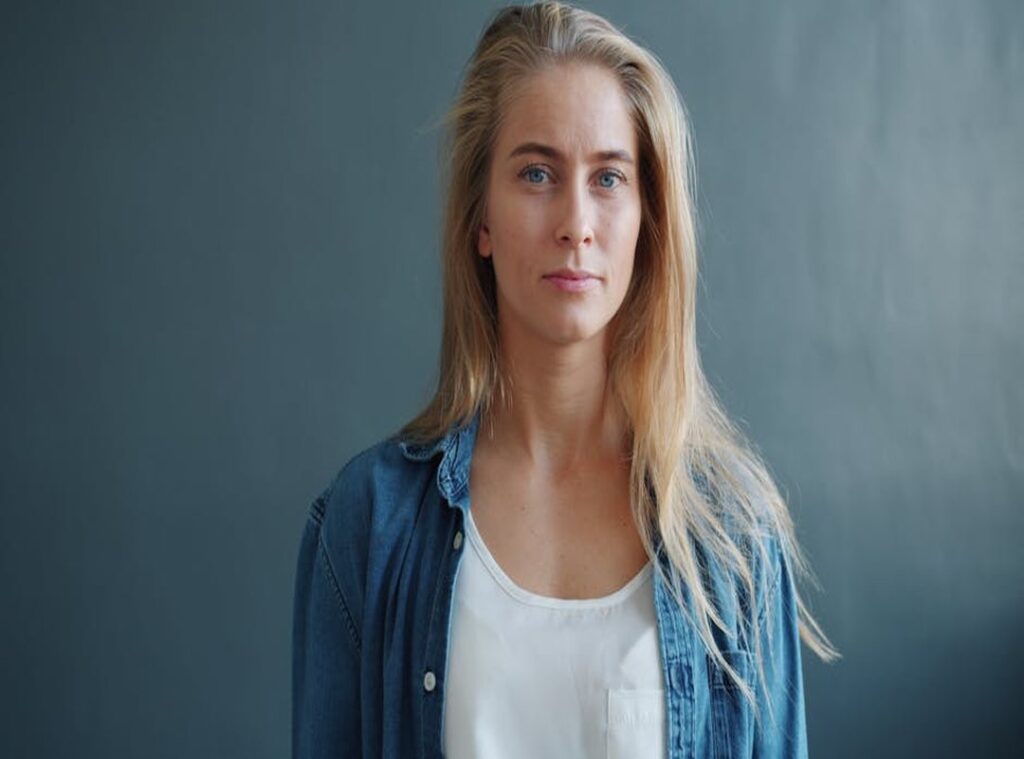
The line between our public online personas and private lives can be incredibly thin. Especially for internet influencers, that boundary is often a tightrope. Fie Laursen is a well-known Danish social media personality.
Her story matters to her followers and the wider internet community.
This article aims to give you a factual, chronological account of the recent leak of her private information. We’ll break down the events, the nature of the leaked data, and the broader consequences. No sensationalism, just the facts.
You’ll get a clear understanding of what happened and its implications for digital privacy and creator culture. Let’s dive in.
A Timeline of the Disclosure: How the Leak Unfolded
The leak started on a few niche online forums and messaging apps. These platforms are known for their tight-knit communities and quick information sharing.
From there, it didn’t take long for the news to hit mainstream social media. Twitter, Reddit, and Telegram were flooded with posts and threads about the leak.
Anonymous online communities played a significant role in amplifying the disclosure. Motivations ranged from anti-influencer sentiment to a desire for notoriety.
Fie Laursen herself made a public statement during the initial phase, addressing the leak and expressing her distress.
This event serves as a case study in the velocity of information—and misinformation—spread in the digital age. The speed at which private data can go viral is staggering.
Platforms face immense challenges in containing such widespread and rapid dissemination. They must balance user privacy with the free flow of information. It’s a tough line to walk.
The Scope of the Breach: What Information Was Made Public?
The recent breach exposed a wide range of personal information. Personal contact details were among the data leaked, including email addresses and phone numbers. This can lead to an increased risk of phishing attacks and identity theft.
Private photos and videos were also part of the leak. These can cause significant emotional distress and even physical danger if used for stalking or harassment.
Financial records, such as bank statements and credit card information, were compromised. This puts individuals at high risk of financial fraud and identity theft.
Sensitive personal documents, like medical records and legal papers, were made public. This can lead to severe privacy violations and potential blackmail.
The source of the leak is still under investigation. It could have been a targeted hack, a breach from a third-party service, or even an insider leak. (Fie laursen of leak)
Doxxing, the act of publicly sharing someone’s private information, is what happened here. This is not just unethical; it’s illegal in many countries. Doxxing can have devastating effects on a person’s life, leading to harassment, threats, and even physical harm.
It’s crucial to remember that seeking out, sharing, or engaging with the leaked content is not just wrong; it’s harmful. Respect the privacy and dignity of those affected.
The psychological impact of such a comprehensive privacy invasion can be profound. Victims may experience anxiety, depression, and a deep sense of violation. They might also feel a loss of control over their personal lives.
In times like these, building a strong, resilient mindset is more important than ever. Learn more about how to do this.
The Aftermath and Broader Implications for Online Creators
The Fie Laursen leak sent shockwaves through the online community. Legal actions were swift, but the damage was already done. Social media platforms scrambled to respond, but their initial reactions felt slow and inadequate.
Public and media reactions varied. Some offered support, while others criticized her for not being more cautious. It’s a tough spot to be in.
In the broader context, this event highlights the fragile nature of the creator economy. Online personalities face unique risks, and their safety is often an afterthought.
There’s a privacy paradox here. Influencers build their careers on sharing personal details, yet they still deserve a private life. It’s a tricky balance.
So, what can other content creators do? First, use two-factor authentication on all your accounts. It’s a simple step that adds a layer of security.
Separate your business and personal contact information. This way, if one gets compromised, the other remains safe.
Consider using a VPN. It masks your IP address, making it harder for bad actors to track you.
Sign up for data breach monitoring services. They alert you if your information is exposed, giving you a chance to act quickly.
Tech platforms have a responsibility too. They need to do more to protect users from doxxing and targeted harassment. Current policies and enforcement mechanisms often fall short.
Are they doing enough, and probably not. But there’s hope.
As awareness grows, so does the pressure on these platforms to improve.
What’s next, and stay vigilant. Keep pushing for better security measures.
And always, always, keep your personal information close.
Navigating the Perils of a Public Digital Life
The recent fie laursen of leak serves as a stark reminder of the vulnerabilities that come with online fame. It exposed not just personal data, but also the fragile nature of digital security. This incident is a cautionary tale for all, highlighting how easily one’s private life can be upended in the public domain.
Digital security is paramount. The responsibility to protect it lies with everyone. As users, we must discourage and refuse to participate in any form of privacy violation.
In the digital age, the tension between public transparency and the fundamental right to privacy continues to grow. While the lives of public figures are often on display, the line protecting their private, personal information must be respected and defended.