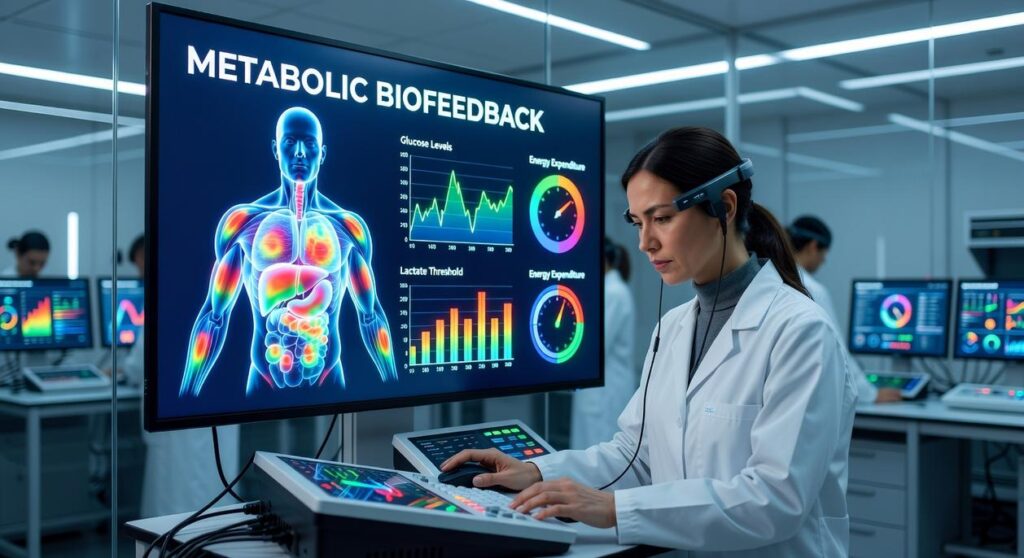
If you’re searching for the most important fitness trends 2026, you’re likely trying to stay ahead of the curve—whether to upgrade your training routine, optimize your health, or understand where the future of performance is heading. With new technologies, recovery methods, and strength protocols emerging faster than ever, it’s hard to separate meaningful innovation from short‑lived hype.
This article breaks down the most impactful shifts shaping fitness trends 2026, from smarter strength conditioning strategies to data-driven wellness routines and sustainable health optimization plans. We focus on what actually improves performance, longevity, and daily energy—not just what’s trending on social media.
Our insights are grounded in evidence-based training principles, current performance research, and real-world application across diverse fitness levels. By the end, you’ll have a clear understanding of which trends deserve your attention—and how to apply them in a way that builds a stronger, healthier foundation for the year ahead.
Wellness in 2026 doesn’t look like another list of smoothies and 10,000 steps. It’s a shift from advice to precision-based health—a model that uses data—sleep metrics, blood panels, and recovery scores—to personalize decisions. The problem? The market is saturated with trends that promise biohacks but deliver burnout. So let’s clarify what matters.
In this guide, you’ll learn:
- How emerging fitness trends 2026 translate into practical protocols.
- What terms like metabolic flexibility and nervous system regulation mean (and why they matter).
- Which technologies support resilience, not fixes.
Consider this your science-aligned blueprint for the year ahead.
Trend 1: The Rise of “Strength Longevity” Protocols”
For years, fitness goals revolved around aesthetics—six-pack abs, slimmer waists, bigger arms. However, a noticeable shift is happening. The new focus is strength longevity: training for a longer healthspan (the years you live in good health, not just alive). In other words, it’s less “beach body” and more “carry your own groceries at 85.”
Some critics argue that aesthetics naturally follow strength, so why change the messaging? Fair point. But research shows functional strength markers like grip strength strongly correlate with lower all-cause mortality (BMJ, 2018). Looking fit doesn’t always mean you’re resilient.
Core Metrics for 2026
Instead of obsessing over weight alone, consider tracking:
- Grip strength (a proxy for overall muscular health)
- VO2 max (your body’s ability to use oxygen efficiently)
- Bone density (key for preventing fractures later in life)
These markers are quickly becoming central to fitness trends 2026 because they predict independence and vitality—not just appearance.
Key Conditioning Modalities
To build durable strength, programs increasingly include:
- Eccentric training (slowly lowering weights to improve muscle resilience)
- Loaded carries (farmer’s walks to enhance core stability and grip)
- Zone 2 cardio (moderate-intensity work that boosts mitochondrial health and endurance)
Practical Weekly Integration
You don’t need elite status to apply this. For example:
- 2 strength sessions with controlled eccentrics
- 2–3 Zone 2 cardio sessions (30–45 minutes)
- 1 day adding loaded carries to your workout
Start light and progress gradually (pro tip: if you can’t nasal-breathe during Zone 2, you’re going too hard). Over time, you’ll build a body designed not just to look strong—but to stay strong.
Trend 2: Bio-Integration and Real-Time Metabolic Feedback
For years, wearables were glorified pedometers. They counted steps, tracked sleep, and nudged you to stand up (helpful, yes—but passive). Now, however, we’re moving into bio-integration—the active use of real-time biological data to guide decisions as they happen.
So what does that mean?
Bio-integration refers to syncing live internal metrics—like glucose, hydration status, and lactate levels—with daily habits such as eating, training, and recovery. Instead of reviewing yesterday’s stats, you adjust in the moment.
Thanks to wider access in 2026, tools like continuous glucose monitors (CGMs)—devices that track blood sugar in real time—are no longer limited to people with diabetes. Add wearable lactate sensors (which measure muscular fatigue) and smart hydration trackers (which estimate fluid and electrolyte loss), and you get a dynamic dashboard for your metabolism.
Some argue this is overkill. After all, humans survived centuries without glucose graphs. Fair point. But real-time feedback removes guesswork. Research shows that stable glucose levels improve sustained energy and cognitive performance (Frontiers in Endocrinology, 2021). That’s not hype—that’s physiology.
Imagine this: it’s 2:30 p.m., and your CGM shows a rapid glucose dip. Instead of reaching for coffee, you opt for protein and fiber to stabilize levels—preventing the crash before it hits. Later, after strength training, your lactate data signals high fatigue. You time fast-digesting carbs within 30 minutes to replenish glycogen efficiently (Journal of the International Society of Sports Nutrition, 2017).
In other words, you’re no longer reacting blindly—you’re responding strategically.
This shift is central to fitness trends 2026 and aligns closely with insights from how recovery science is reshaping modern training methods.
Pro tip: start with one metric, not three. Data is powerful—but only if you can act on it consistently.
Trend 3: Precision Nutrition and the Gut-Brain Axis
The Next Frontier in Diet
First, let’s define the gut-brain axis—the two-way communication network between your gastrointestinal system and your brain. This connection operates through the vagus nerve, immune signaling, and neurotransmitters like serotonin (about 90% of which is produced in the gut, according to Johns Hopkins Medicine). In other words, your “gut feeling” isn’t just a metaphor.
Some skeptics argue the gut-brain conversation is overhyped. Fair. Not every mood swing is caused by your lunch. However, mounting research shows gut health influences mood, cognition, and immunity (NIH). Ignoring it would be like upgrading your phone’s screen while neglecting the battery.
Personalized Fueling
Next comes microbiome testing—at-home kits that analyze your gut bacteria to tailor nutrition plans. Critics say results can vary. True. But even imperfect data can guide smarter food choices than generic “eat more greens” advice. If your test shows low diversity, increasing fiber variety becomes a targeted strategy, not guesswork.
Masterclass on Key Nutrients
Here’s what I recommend prioritizing:
- Psychobiotics (probiotics influencing mood), such as Lactobacillus rhamnosus
- Prebiotics like inulin and resistant starch (fuel for good bacteria)
- Polyphenols from berries, green tea, and dark chocolate (yes, the good kind)
These staples are becoming central to fitness trends 2026 for cognitive resilience and digestive strength.
Daily Wellness Routines
Start simple. Add fermented foods (kimchi, kefir) three times weekly. Rotate plant sources to hit 30 varieties per week (pro tip: herbs and spices count). Prioritize sleep and manage stress—because chronic stress disrupts gut balance.
Small shifts, compounded daily, sharpen mental clarity and fortify total-body health.
Strength for longevity reminds us that muscle is metabolic currency, meaning it protects independence as we age. Real-time bio-feedback—data from wearables that track metrics like heart rate variability (a measure of recovery readiness)—turns guesswork into insight. Precision gut-health nutrition focuses on targeted fibers and polyphenols that nourish specific microbes. Together, these pillars define the biggest fitness trends 2026 is accelerating: a move from reactive sick-care to proactive, data-informed wellness.
Instead of waiting for symptoms, you build buffers. Some argue this is obsessive or expensive. Yet small, strategic actions outperform crisis management (ask anyone who ignored back pain until it screamed).
So start simple. This week, choose one lever:
- Add a polyphenol-rich food like blueberries or cacao.
- Test your grip strength and begin improving it.
Pro tip: track one metric for 30 days before adding another.
Ultimately, micro-upgrades compound into strength, resilient digestion, and measurable vitality—putting you in control.
Take Control of Your Next Level of Fitness
You came here to understand how fitness trends 2026 are shaping the future of strength, recovery, and total wellness—and now you have the clarity to move forward with confidence.
The reality is this: staying stagnant in your routine leads to plateaus, burnout, and results that never fully match your effort. You don’t want to waste time on outdated methods while others optimize, adapt, and thrive. The difference between frustration and transformation is having a structured, future-focused plan.
Now it’s your move.
Apply what you’ve learned. Upgrade your training structure. Refine your recovery. Align your daily habits with performance-driven wellness principles.
If you’re serious about breaking plateaus and building a body that performs at its peak, take action today. Follow a proven, results-driven system designed around modern performance science and real-world strength conditioning strategies. Start your personalized health optimization plan now and step into 2026 stronger, leaner, and more resilient than ever.