
If you’re searching for a smarter way to improve your strength, energy, and overall well-being, you’re likely tired of one-size-fits-all fitness advice. The truth is, real progress doesn’t come from random workouts or trendy diets — it comes from building a structured, sustainable system tailored to your body and goals. This article is designed to help you create a personalized health blueprint that aligns your training, nutrition, and daily routines into one cohesive plan.
We draw on proven strength conditioning principles, evidence-based wellness strategies, and practical health optimization methods used in high-performance environments. Every recommendation is grounded in established fitness science and real-world application — not hype.
By the end, you’ll understand how to strengthen your foundation, optimize recovery, and build daily habits that compound over time — so your results aren’t temporary, but transformational.
Most health plans fail because they treat you like an average. But there is no average you. First, assess your baseline: track sleep, energy, strength, mood, and labs for two weeks. Next, define one primary goal, such as building muscle or lowering A1C. Then match habits to constraints; a night shift nurse needs a different meal schedule than a 9‑to‑5 worker. After that, build a personalized health blueprint: three workouts weekly, protein targets per kilogram, and a wind‑down routine. Review data monthly and adjust. Think scientist, not superhero (consistency beats intensity). Small tweaks compound into remarkable, lasting results over time.
The Four Pillars of Your Personal Health Blueprint
A strong personalized health blueprint rests on four interconnected pillars. When one weakens, the others compensate (for a while), but long-term progress demands balance.
Pillar 1: Strategic Movement
First, strategic movement goes beyond random workouts. It includes strength training (building muscle through resistance), conditioning (improving cardiovascular efficiency), and mobility (maintaining joint range of motion). For example, someone training for a 10K needs endurance intervals and hip mobility, while a desk worker may prioritize posture-focused strength. Structured programming ensures every session serves a measurable goal.
Pillar 2: Optimized Fuel
Next, optimized fuel reframes nutrition as performance support. Macronutrients—protein, carbohydrates, and fats—each play defined roles. Protein repairs tissue, carbohydrates replenish glycogen (stored energy), and fats regulate hormones. An active adult lifting three times weekly, for instance, typically requires higher protein intake to enhance recovery and cognitive focus.
Pillar 3: Proactive Recovery
However, training and nutrition mean little without recovery. Quality sleep regulates hormones like cortisol and growth hormone, directly impacting muscle repair and stress resilience (National Sleep Foundation). Add active recovery—like light walking or stretching—to accelerate circulation.
Pillar 4: Resilient Mindset
Finally, resilience drives adherence. Habit stacking, realistic milestones, and identity-based goals create consistency. Think less “New Year’s resolution,” more steady Rocky montage progress.
Step 1: Conduct a Personal Health Audit
Before you download another workout plan or swear off carbs, pause. The smartest move isn’t doing more. It’s measuring better.
Assess Your Fitness Baseline
Forget fancy lab tests. Start simple:
- Strength: Max push-ups in one set (good form only).
- Cardio: Time your 1-mile run or brisk walk.
- Mobility: Sit-and-reach test for hamstring and lower back flexibility.
Many people assume they’re “out of shape” without proof. Data beats drama. Write the numbers down. These are your benchmarks.
Analyze Your Nutritional Habits
Track everything you eat for 3–5 days. No judgment. No “I’ll start Monday” energy. Just observe.
Look for patterns: afternoon crashes, late-night snacking, skipped breakfasts. Research shows self-monitoring increases weight-loss success significantly (National Weight Control Registry). Awareness changes behavior.
Contrary to popular advice, don’t overhaul your diet yet. Radical resets often fail because they ignore real-life habits. First understand your baseline.
Evaluate Lifestyle Factors
Score each from 1–10:
- Sleep quality
- Daily stress
- Hydration
Most people obsess over workouts while sleeping five hours a night (that’s like upgrading your car engine but never changing the oil). According to the CDC, adults need 7+ hours for optimal health: https://www.cdc.gov/sleep
Define Your “Why”
Now the critical step. Write one SMART goal—specific, measurable, achievable, relevant, time-bound.
Example: “Complete 20 push-ups and run 1 mile in under 9 minutes within 12 weeks.”
This is the foundation of your personalized health blueprint. Without a clear why, motivation fades when life gets busy (and it will). Pro tip: tie your goal to identity—who you want to become, not just what you want to achieve.
Step 2: Design Your Movement and Conditioning Protocol
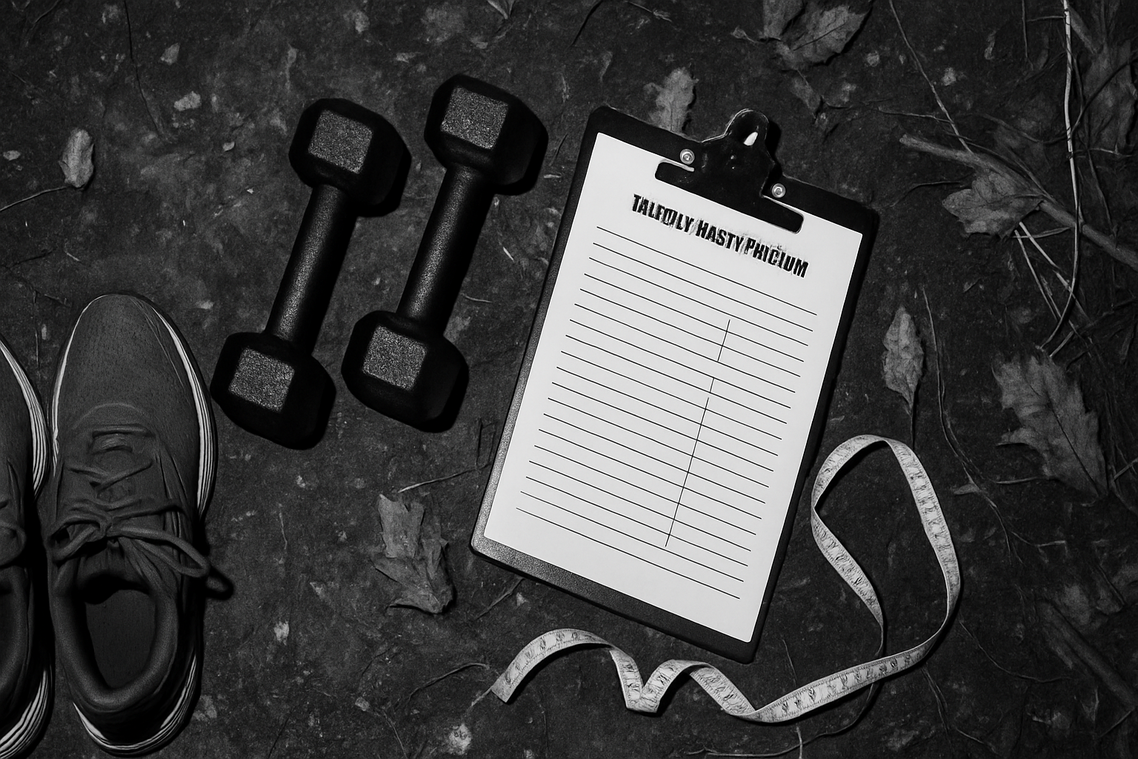
Now that your goals are clear, it’s time to structure your training week. This is where many people get overwhelmed, so let’s simplify it.
Choosing Your Training Split
A training split is simply how you divide workouts across the week.
- Full-body split: You train all major muscle groups each session (great for beginners or busy schedules).
- Upper/Lower split: Alternate upper-body and lower-body days (ideal for intermediate lifters training 4 days/week).
- Push/Pull/Legs: Separate workouts by movement pattern—pushing, pulling, and legs (best for experienced lifters with 5–6 days available).
Some argue full-body training is “inferior” for muscle growth. Not exactly. Research shows total weekly volume matters more than split style (Schoenfeld, 2016). The best split is the one you can recover from consistently (yes, consistency beats perfection).
The Principle of Progressive Overload
Progressive overload means gradually increasing stress on the body—adding weight, reps, sets, or improving technique. For example:
- Week 1: 3×8 squats at 100 lbs
- Week 2: 3×9 at 100 lbs
- Week 3: 3×8 at 105 lbs
Without this progression, your body adapts and stalls (plateaus aren’t personal—they’re physiological).
Integrating Conditioning
Conditioning should support strength, not sabotage it.
- HIIT (High-Intensity Interval Training): Short bursts; useful for fat loss.
- LISS (Low-Intensity Steady State): Walking or cycling; aids recovery.
Pro tip: Place intense cardio after lifting or on separate days.
Don’t forget recovery pillars like sleep optimization strategies for peak daily performance to reinforce your personalized health blueprint.
Sample Weekly Template
- Mon:
- Tue:
- Wed: Conditioning (HIIT/LISS)
- Thu:
- Fri:
- Sat: Optional recovery
- Sun: Rest
Step 3: Build Your Daily Wellness Routines
Morning Kickstart: Start with hydration—one full glass of water to rehydrate after sleep. Then, try two minutes of light stretching and three minutes of mindful breathing. It sounds simple, yet research shows morning routines improve mood and focus (APA, 2020).
Evening Wind-Down: Next, follow this sleep hygiene checklist:
- Power down screens 60 minutes before bed.
- Keep a consistent bedtime—even on weekends.
- Dim lights and read calming.
Integrating Mindful Moments: Finally, schedule two 5-minute breaks for box breathing—inhale four, hold four, exhale four, hold four. Think of it as personalized health blueprint in action.
Your Blueprint for Sustainable, Lifelong Health
You now have a complete framework to move beyond generic advice and build a plan that fits your real life. The frustration of failed diets and abandoned routines ends when you rely on your own data, clear goals, and consistent tracking. That is the power of a personalized health blueprint: it is dynamic, measurable, and holistic. Instead of guessing, you adjust.
- Track sleep and aim for a 10% improvement this week.
- Increase daily hydration by one extra glass of water.
- Schedule two short strength sessions.
Start small, build momentum, and review weekly. Stay consistent.
Build the Body and Energy You Know You’re Capable Of
You came here looking for clarity on how to build real, lasting fitness — not quick fixes, not recycled advice, but a structured path toward stronger performance, better health, and sustainable daily wellness. Now you understand how total fitness foundations, strength conditioning protocols, and intentional routines work together to create momentum that lasts.
The truth is, feeling stuck, inconsistent, or overwhelmed by conflicting health advice is exhausting. Without a clear system, progress feels random — and motivation fades fast. That frustration is exactly why a structured approach matters.
The next step is simple: stop guessing and start following a personalized health blueprint built around your body, your goals, and your lifestyle. When you align smart conditioning, recovery, and daily wellness habits into one plan, progress stops being accidental and starts being inevitable.
If you’re ready to eliminate plateaus, reclaim your energy, and build strength with purpose, now is the time to act. Join the thousands who rely on proven, science-backed fitness frameworks to transform their performance from the ground up. Start your plan today and take control of your health with confidence.