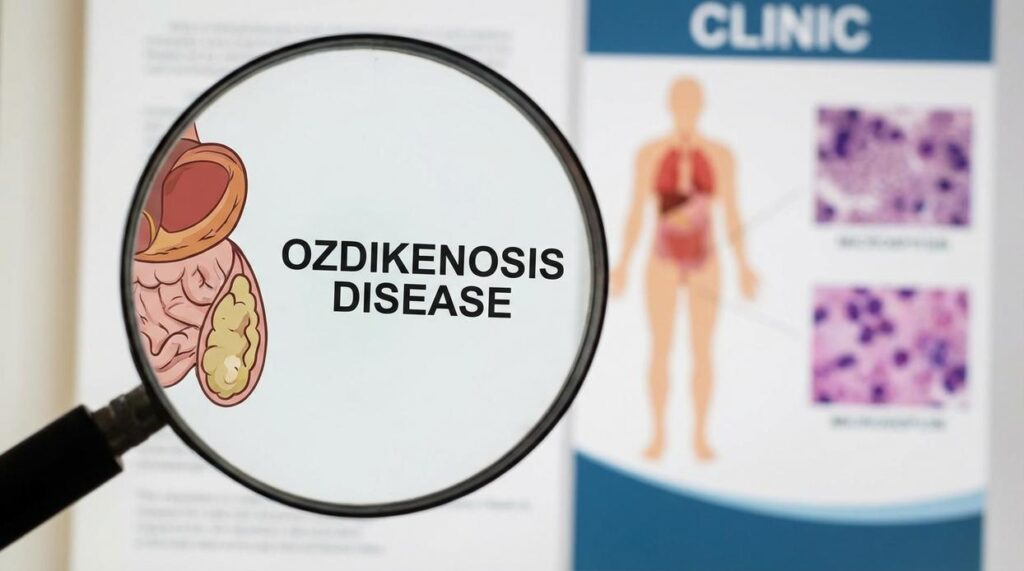
I know what it’s like to hear a medical term you’ve never encountered before and feel completely lost.
Ozdikenosis is one of those conditions that doesn’t get much attention. It’s rare. Most people haven’t heard of it until they or someone they love gets diagnosed.
Here’s the thing: rare doesn’t mean you’re alone in this.
Ozdikenosis involves abnormal growths in the body. The symptoms can vary and the diagnosis process isn’t always straightforward. That’s what makes it confusing for most people who are dealing with it.
I put this guide together because you shouldn’t have to dig through dense medical journals to understand what’s happening in your own body.
We pulled information from clinical studies and current patient management approaches. Then we translated it into language that actually makes sense.
This article will walk you through what Ozdikenosis actually is. You’ll learn what symptoms to watch for and how doctors typically diagnose it.
More importantly, you’ll discover what you can do about it. The proactive steps that help you manage this condition effectively.
No medical jargon that requires a dictionary. Just clear information you can use right now.
What is Ozdikenosis? The Fundamentals
You know how sometimes your body just decides to build something you didn’t ask for?
Like a callus on your hand from lifting weights. Or scar tissue after an injury.
Your body is trying to protect you. But sometimes it goes a little overboard.
That’s kind of what happens with Ozdikenosis.
Except instead of a simple callus, your body starts forming fibrous growths in your soft tissues and around your joints. We call these growths Ozdikens.
Here’s what you need to know right away.
These growths are NOT cancerous. They’re benign. Think of them like speed bumps your body built on roads that should be smooth.
But just because they’re not cancer doesn’t mean they’re harmless.
Depending on where they show up and how big they get, Ozdikens can cause real problems. Pain. Stiffness. Limited range of motion. (Ever tried to squat with something pressing against your knee joint? Not fun.)
Some people say this ozdikenosis disease is just a normal part of aging or that everyone gets these kinds of tissue changes. They’ll tell you to just live with it.
But that’s not accurate.
This is a SPECIFIC systemic condition. It’s rare. And it has patterns we’re still figuring out.
The science points to genetics playing a big role. If someone in your family has it, your odds go up. But genes aren’t the whole story.
Researchers are looking at environmental factors too. What triggers these growths to start forming? Why do some people get them worse than others?
We don’t have all the answers yet.
What we do know is that understanding what’s happening in your body is the first step to managing it.
Symptoms and Diagnosis: Identifying the Signs
Most people don’t catch Ozdikenosis early.
They feel something off and brush it away. A little stiffness here. A weird bump there. Nothing worth worrying about, right?
Wrong.
The sooner you spot the signs, the faster you can get answers. And that means better options for managing what comes next.
Here’s what to watch for:
Common symptoms include:
- Palpable lumps under your skin that feel firm to the touch
- Joint stiffness that doesn’t go away with stretching
- Decreased range of motion in affected areas
- Localized pressure or a dull ache that lingers
Now, some doctors will tell you these symptoms are too vague to mean anything. That you’re probably just dealing with normal aging or overuse injuries.
And sure, sometimes that’s true. But dismissing these signs entirely? That’s how people go years without a proper diagnosis.
Here’s what they miss. Every person experiences ozdikenosis disease differently. Where the growths develop in your body changes everything about how it feels.
Someone with growths near their shoulder might struggle to lift their arm. Another person with the same condition might have lumps on their thigh and barely notice any pain at all.
Getting diagnosed
Your doctor will start with a physical exam. They’ll feel for lumps and ask about your symptoms. How long have you had them? Do they hurt? Has anything changed?
From there, you’ll likely need imaging. MRI and CT scans let doctors see what’s happening beneath your skin. They can spot growths that aren’t visible or easy to feel during an exam.
But here’s the thing about imaging. It shows there’s something there but it can’t always tell you exactly what it is.
That’s where a biopsy comes in. A small tissue sample gets analyzed under a microscope. This confirms whether you’re dealing with Ozdikenosis or something else entirely (because ruling out other conditions matters just as much).
Why this matters to you
Getting the right diagnosis means you stop guessing. You can make informed decisions about treatment instead of trying random approaches that might not work.
You also avoid the frustration of being told nothing’s wrong when you know something is. I’ve talked to too many people who spent years being dismissed before finally getting answers.
The diagnostic process might feel slow. But each step gets you closer to understanding what’s happening in your body and what you can actually do about it.
Modern Approaches to Treatment and Management
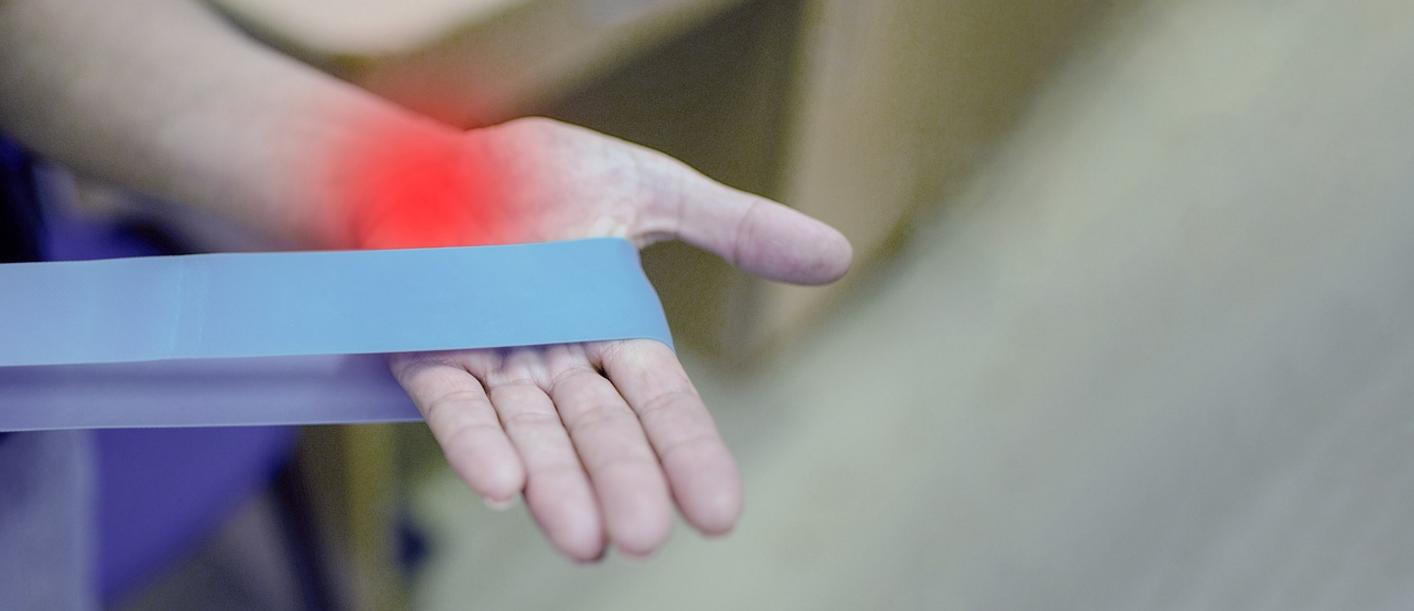
So you’ve figured out how do you test for ozdikenosis.
Now what?
Here’s where things get interesting. Treatment for Ozdikenosis disease isn’t one-size-fits-all. And honestly, that’s both good news and bad news.
The bad news? There’s no magic pill that makes everything disappear overnight (I know, I was disappointed too).
The good news? You’ve got options. Real ones that actually work.
Conventional Medical Treatments
Let’s start with what your doctor will probably suggest.
For many people with no symptoms, the approach is simple. Watch and wait. I know that sounds like your doctor is just procrastinating, but there’s science behind it. If the growths aren’t causing problems, surgery might do more harm than good.
But when growths start interfering with your life? That’s when surgical excision comes into play. We’re talking about removing the tissue that’s causing pain or getting in the way of normal function.
Pain management is the other big piece. Your doctor might recommend medications or therapies to keep discomfort under control while you figure out your next steps.
The Importance of Health Optimization
Here’s what most medical guides won’t tell you.
Medical treatment is just the starting point. What you do every day matters just as much as what happens in the operating room.
I’m talking about building a wellness plan that actually fits your life. Not some impossible routine that requires you to quit your job and meditate for six hours a day.
Daily Wellness Routines
Small changes add up faster than you think.
Start with what you eat. An anti-inflammatory diet can help manage symptoms without you having to become a chef. Think more whole foods and fewer processed ones. (Your body will thank you, even if your taste buds need a minute to adjust.)
Stress reduction isn’t just feel-good advice. When you’re dealing with a chronic condition, stress makes everything worse. Try mindfulness or whatever helps you actually relax. For some people that’s meditation. For others it’s walking their dog or listening to music.
And sleep? Non-negotiable. Your body does most of its repair work while you’re unconscious. Skimp on sleep and you’re basically telling your body to work with one hand tied behind its back.
Masterclass Moments in Self-Care
Here’s the thing about living with a chronic condition.
The big dramatic changes get all the attention. But it’s the small stuff you do every single day that makes the real difference.
I call these masterclass moments. They’re the times when you choose the thing that supports your health even when it’s not convenient.
Like choosing water over soda. Or taking five minutes to breathe deeply when you’re stressed. Or going to bed at a reasonable hour instead of doom-scrolling through your phone.
None of these things will cure you tomorrow. But string together enough of them? You’ll notice you feel better, function better, and handle symptoms better than you thought possible.
Living Proactively: The Role of Fitness and Conditioning
Everyone tells you to rest when you have ozdikenosis disease.
Take it easy. Don’t push yourself. Let your body recover.
And sure, rest matters. But here’s what nobody wants to admit.
Too much rest makes things worse.
I’ve seen it happen over and over. People get their diagnosis and they stop moving. They’re afraid exercise will aggravate their condition. So they cut back on everything.
Six months later? They’re weaker. Their mobility is shot. And the condition hasn’t improved one bit.
The truth is your body needs movement. Not less of it.
But not just any movement. You need a structured approach that builds strength without beating up your joints.
Swimming works because water supports your body weight while you move. Cycling keeps you active without the pounding impact of running. Targeted strength training (when done right) actually protects your joints by building the muscles around them.
This isn’t about becoming an athlete. It’s about maintaining the ability to live your life.
The catch? You can’t wing this on your own.
Working with a physical therapist or certified conditioning specialist isn’t optional. They’ll help you figure out why can’t ozdikenosis be cured and what you can actually control. They’ll design a plan that adapts as your body changes. I cover this topic extensively in Stages of Ozdikenosis.
Because here’s what matters most.
Your fitness program should make daily life easier, not harder. If it’s leaving you in pain or unable to function, something’s wrong with the approach.
Taking Control of Your Health Journey
You came here to understand Ozdikenosis. Now you have that foundation.
This condition doesn’t have to control your life. When you combine solid medical care with a proactive wellness approach, you’re setting yourself up for real progress.
I’ve seen what happens when people take charge of their health. They stop feeling helpless and start making moves that matter.
Here’s your next step: Talk to your healthcare team about what you’ve learned. Ask questions. Build a health optimization plan that fits your life and your goals.
You’re not alone in this. The right support and the right information make all the difference.
Start today. Your health journey is yours to shape.