
Imagine you’re busting your butt in the gym, following every training plan religiously, yet your sprint times haven’t improved in months. Frustrating, right? This happens to the best of us.
But what if I told you there’s a way out? Plyometric drills athletic performance isn’t just a catchphrase (it’s) the breakthrough you need. With the right drills, you can finally push past those stubborn plateaus. We’ll dive into the science behind these exercises and show you how to incorporate them safely.
Trust me, this isn’t just theory (it’s) a proven method used by top athletes. Ready to transform your performance?
Beyond Just Jumping: What Are Plyometrics, Really?
Plyometrics isn’t just about hopping around like a kangaroo. It’s about harnessing the stretch-shortening cycle (SSC) for explosive strength. Think of it like stretching and snapping a rubber band.
The SSC is that quick stretch and release, turning stored energy into power.
This makes a world of difference in athletic performance.
Now, let’s separate plyometrics from the slow, heavy grind of traditional strength training. While lifting weights builds muscle through steady exertion, plyometric drills focus on speed and agility. You’re not just lifting; you’re launching.
Many people think plyometrics is just for elite athletes. Wrong. Anyone can do it.
The goal is to shorten the time between muscle contractions (eccentric and concentric), making movements quicker and more fast.
Here’s a pro tip: start with basic movements before leaping into complex drills. Your knees will thank you.
And if you’re serious about enhancing your workouts, consider recovery techniques maximize strength training. Recovery is just as important as the workout itself.
So, are you ready to add some bounce to your routine? Plyometrics is your ticket to faster, more solid movements. It’s not just jumping.
It’s jumping smart.
Spring into Action: Plyometrics and Body Power
I’ve always been fascinated by how plyometric drills revamp athletic performance. You know, the way they turn raw strength into something more changing. It’s about rewiring your body to react faster.
Let’s break it down: plyometrics train the central nervous system (CNS). They teach it to fire muscles rapidly. Have you ever watched a sprinter explode off the blocks?
That’s their CNS at work, trained to respond almost before they’ve even thought about it. This isn’t just about muscle, it’s a neural game.
Now, there’s something called Rate of Force Development (RFD). Sounds fancy, right? It’s more key than just strength for most sports.
RFD is how fast you can develop force. Think about a basketball player leaping for a dunk. It’s not the slow push of a powerlifter’s squat.
It’s fast, explosive.
Plyometrics boost RFD by improving muscle stiffness and elastic energy storage. Like a spring that bounces back instead of a sponge that sags. Your muscles become storehouses of energy.
Picture a tennis player’s serve: crisp, quick, and solid.
On the field, these principles translate into real advantages. A quicker first step. Higher jumps.
More solid throws. Faster direction changes. It’s like giving athletes a secret weapon.
Curious? Check out 7 plyometrics for speed and power if you’re dying to boost your game.
So, when you see those intense box jumps and explosive push-ups, remember: it’s not just training. It’s a transformation. It’s about turning potential energy into kinetic dominance.
Your Foundational Plyometric Toolkit: 5 Exercises for Every
When it comes to boosting athleticism, few things are as effective as plyometric drills. They play a key role in elevating your athletic performance by building explosive power. to five core exercises. This is your go-to guide, and trust me, these moves matter.
First up, the Box Jump. A quintessential movement. You leap onto a sturdy box or platform, absorbing the landing with bent knees.
This exercise hones your fast-twitch muscles, key for sports like basketball and volleyball. To nail the form, stand with feet shoulder-width apart, load up by squatting slightly, then explode upward. Here’s a performance tip: land as softly as possible.
I can’t stress this enough. Sloppy landings can ruin your knees.
Next, Depth Jumps. Something you might not think about often, but should. Start on a box, step off (don’t jump), and as soon as you hit the ground, leap up immediately.
The primary benefit? Developing reactive strength. It’s perfect for track athletes and sprinters.
The key here is a quick ground contact time. If you hesitate, you lose the benefit. Pro tip: focus on spending minimal time on the ground.
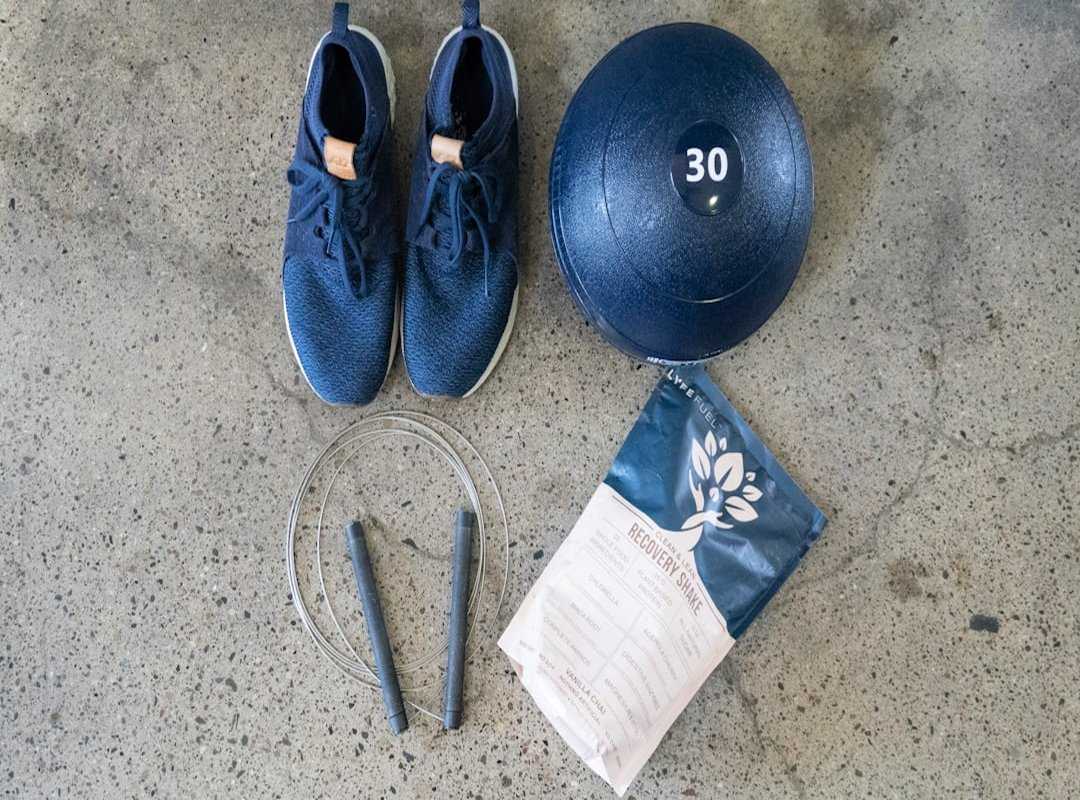
Medicine Ball Slams make the list, and they’re fun. Stand with feet slightly apart, raise the ball overhead, and then slam it down as hard as possible. This explosive move targets your core and shoulders, making it ideal for baseball and football.
A common mistake is not engaging your core fully. If you’re just using your arms, you’re missing out. Imagine you’re Hulk smashing, not just tossing.
Then there’s the Broad Jump. Stand tall and leap forward as far as you can, landing gently. It develops horizontal power, which is important for long jumpers and soccer players.
Make sure your arms drive the movement. People often forget this arm swing (don’t) be one of them. Without it, you’ll feel more like a flailing fish than a flying athlete.
Finally, Skater Hops. Think lateral movement. Jump sideways from one leg to the other, mimicking a speed skater’s motion.
It’s excellent for tennis and hockey. Maintain balance throughout. If your form’s off, you’re risking injury.
Balance is key, like threading a needle while on a rollercoaster.
Incorporate these exercises into your routine and see the changes. These aren’t just workouts; they’re foundations. Whether you’re designing strength program beginners or leveling up, integrating these tools is key.
For more structured guidance on how to weave these into a broader strength regimen, check out this designing strength program beginners guide.
Plyometric drills are important, but remember. Always keep safety first. Focus on form, not ego.
That’s how progress really happens.
Building Your Blueprint: Safely Integrate Plyometrics
You want to jump higher, run faster, and improve your athletic performance, right? Plyometric drills can help, but diving in without a solid base is asking for trouble. You need strength first.
A good rule of thumb? You should be able to squat 1.5x your bodyweight before tackling serious plyo work. It’s not just about jumping around like a maniac.
When it comes to programming, start simple. Frequency is key: 1-2 times a week, never on consecutive days. Volume should be low (think 3-5 sets of 3-6 reps).
And don’t skimp on rest. Full recovery between sets is key. Progression is your friend here.
Begin with low-intensity moves like jumping in place (yes, it’s that basic) before moving on to beastly stuff like depth jumps.
Perform plyometrics when you’re fresh, usually at the start of your workout. After a warm-up, of course. This maximizes performance and minimizes injury.
You don’t want to end up sidelined because you got overzealous.
Remember, plyometric drills are about quality, not quantity. They should complement your routine, not replace it. So, get your strength foundation set and then, leap into it!
Unleash Your True Athletic Power
You’ve hit that plateau, right? The lack of explosive power in your routine might be the culprit. You’ve learned that a smart approach with plyometric drills athletic performance can shake things up.
These drills aren’t just exercises; they’re the key to breaking barriers. So, what’s stopping you from redefining your limits?
Start by assessing your current strength foundation. Dive into this new approach. Try incorporating one or two foundational exercises into your next training week.
Trust me, this isn’t just theory. It’s a proven path to real results. Ready to ignite that athletic potential?
Take action now.