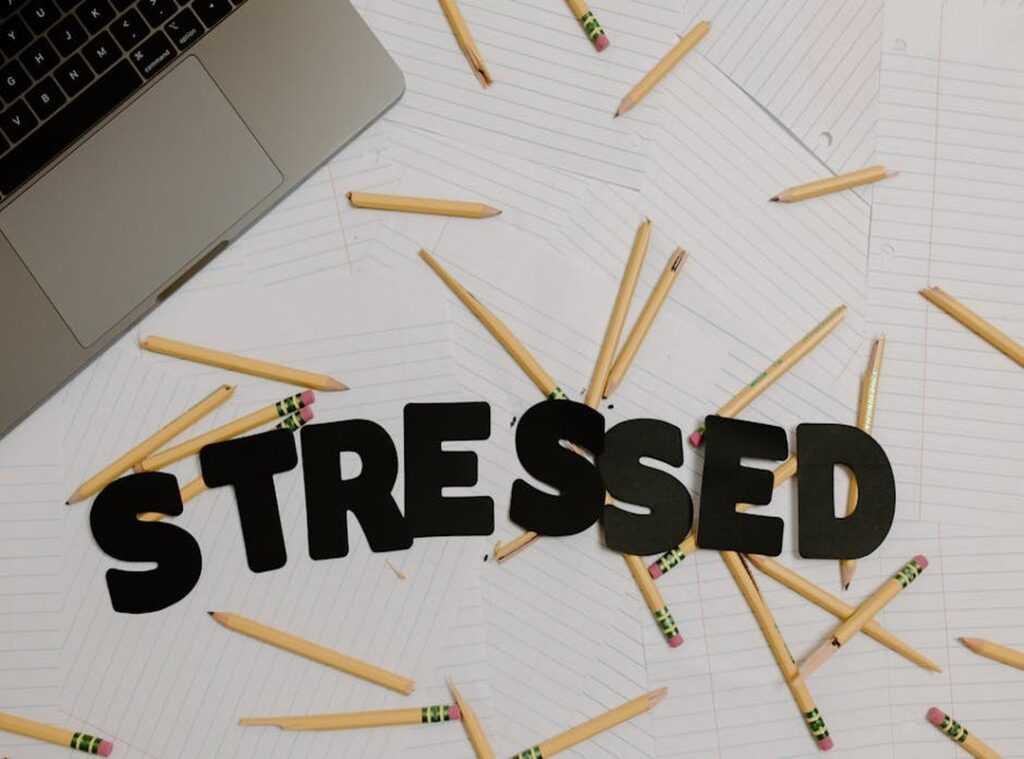
Ever feel like stress has become your normal setting? It’s exhausting, right? Most advice out there just slaps a Band-Aid on your stress, never digging into what’s really happening under the hood.
And let’s be honest, that’s not enough.
The real issue isn’t just about feeling overwhelmed; it’s about a deeper imbalance in your body. This article dives into an integrated approach, combining physical conditioning and mental well-being, deeply rooted in human physiology.
Doesn’t that sound more promising?
By reading on, you’ll get a science-backed blueprint to not just handle stress but transform your entire approach to health. This isn’t about quick fixes. It’s about building a strong system for lasting resilience.
You’ll walk away with a plan to manage stress better health, boosting your energy and focus.
Stress Explained: It’s More Than Mental
Stress isn’t just in your head. It’s in your body, too. You’ve probably heard of the Autonomic Nervous System (ANS).
It’s the body’s accelerator and brake pedal. The sympathetic system? That’s the gas pedal.
It kicks in during stress, pumping you full of energy. Or panic. And the parasympathetic system?
That’s your brake, bringing things back to chill mode.
But life isn’t that simple, is it? You’re always hearing about “fight-or-flight.” That’s your body’s alarm system. When it goes off, hormones like cortisol and adrenaline flood in. (Think of these like a houseguest who won’t leave.) They’re helpful in short bursts but become a problem when they overstay.
Chronically high cortisol equals sleep problems, belly fat, weaker immune responses, and that dreaded brain fog.
So what’s the takeaway here? You can’t avoid stress. That’s a pipe dream.
The trick is learning how to hit the brake pedal better. This isn’t about elimination but control. You want to manage stress for better health, right?
Now, here’s where things get interesting: diet plays a role, too. Ever consider a personalized diet optimal health? Food really does impact how well we handle stress.
The goal is balancing the gas and brake pedals, so you’re not spinning out of control. Next time stress sneaks up, ask yourself, “Am I stomping on the gas when I should be easing up?” That’s the difference. That’s how you manage stress better health.
The Foundation: Mastering Stress with Movement
You want to manage stress better health, right? But here’s the kicker: most people overlook the simplest tool. It’s not meditation or yoga.
It’s movement. Specifically, strategic movement.
Let’s talk Strength Training. This isn’t just about bulking up. It’s about teaching your body to handle stress hormones.
When you lift weights, your body learns to process cortisol more efficiently. Think of it as training your nervous system to handle physical stress. This translates to better emotional regulation.
It’s like a secret weapon you didn’t know you had.
Now, onto LISS Cardio. Low-Intensity Steady-State cardio (like brisk walking or cycling) is your secret weapon for calm. Why?
It activates the parasympathetic nervous system. This system helps lower cortisol levels and promotes recovery. Imagine a gentle wave washing over you, soothing, calming, bringing peace.
How do we put this into action without overwhelming ourselves? Start simple. Two 30-minute strength sessions a week.
Add three 30-minute walks. This is your foundation for building a stress-resilient body. It’s not about punishing workouts.
It’s about strategic, effective movement. You don’t need to become a gym rat. Just consistent, focused effort.
And here’s a pro tip: combine these with other stress management: meditation, relaxation, health benefits. You create a complete approach to managing stress. You’re not just fighting stress.
You’re mastering it.
This isn’t a magic bullet. It’s a process. But it’s a process that works.
So, why not give it a try? Your body and mind will thank you. Plus, you’ll find yourself handling life’s curveballs with a little more grace.
Who doesn’t want that?
Fueling for Calm: Food Choices That Matter
Ever thought about how much your diet impacts your brain? I do. What you eat can either calm the nervous system or send it into overdrive.

A key part of managing stress is keeping blood sugar stable. Those sugar highs and inevitable crashes? They’re not just annoying.
They trigger cortisol, the stress hormone, creating a loop of stress and cravings.
So, how do we break the cycle? Simple. Pair carbs with protein and fat.
Proteins and fats slow the rate at which glucose enters the blood. This keeps energy levels more consistent rather than spiking and crashing.
Let’s talk nutrients that help. Magnesium, often called the relaxation mineral, is important. Leafy greens, nuts, and even dark chocolate are packed with it.
Omega-3s? They’re key for reducing inflammation from chronic stress. Found in fatty fish like salmon and walnuts, they’re a must for your anti-stress toolkit.
Caffeine timing is another piece of the puzzle. Morning coffee is usually fine. But that afternoon cup?
It can disrupt your cortisol rhythm and mess with sleep. You know the jittery feeling that makes stress worse? That’s it.
Now, let’s not forget the role hydration plays in role hydration health optimization. Dehydration itself can increase cortisol levels. Staying properly hydrated supports your body’s response to stress.
It’s all interconnected, isn’t it?
And what about B vitamins? They’re key for energy and neurotransmitter production. Eggs, meat, and legumes are great sources.
Without enough B vitamins, your brain can’t function efficiently, impacting your ability to manage stress better health. So, if you’re not already considering how your diet affects your mood and stress levels, it’s time. Eating intentionally is your secret weapon against stress.
Every bite counts.
Active Recovery: Proactive Cooldown Essentials
Recovery isn’t just lounging around. It’s an active, key component of fitness. Think of it like this: when you plan for a workout, plan for recovery, too.
Prioritize sleep hygiene to manage stress better health. What’s that? It’s basically treating sleep like the sacred ritual it is.
Regular bedtime, no screens an hour before (yes, that means all of them), and a cool, dark room. Your brain and body clear out the day’s stress when you sleep, making room for more tomorrow.
Ever heard of the Physiological Sigh? It’s not a new yoga pose; it’s a breathing technique. Double inhale, long exhale.
It offloads carbon dioxide and stimulates the vagus nerve, calming your nervous system instantly. Perfect for those moments when stress sneaks up on you. Use it like a “spot treatment” throughout the day.
Recovery is just as much about managing stress and improving health as it is about resting muscles. Your body isn’t a machine (okay, it kind of is, but you get me), and it needs recovery to function its best. Get proactive about it.
After all, it’s not just gym time that builds strength. It’s the time in between that makes it count.
Start Your Stress Resilience Journey Now
Feeling trapped in constant stress? You’re not alone. Stress can grip every part of life, but it doesn’t have to.
Treat it like a system you can train with the right tools. Movement, nutrition, recovery (these) are your allies. They tackle the root physiological issues, building your long-term well-being.
Want to manage stress better health? Start simple. Pick just one plan from this article.
Maybe a 20-minute walk after lunch or try the physiological sigh. Commit for seven days. This small step is the start of your health optimization plan.
Ready to break the cycle? Dive in now.