
Athletic performance isn’t built on training alone—it’s shaped by how well you recover, adapt, and handle pressure. If you’re searching for practical strategies around stress management for athletes, you’re likely looking for ways to improve focus, accelerate recovery, and prevent burnout without sacrificing intensity or ambition. This article is designed to give you exactly that.
We break down how stress affects the nervous system, muscle recovery, hormonal balance, and long-term performance—and, more importantly, what you can do about it. Drawing from evidence-based conditioning principles, sports science research, and proven performance protocols used in high-level training environments, this guide connects physiology with actionable routines.
You’ll learn how to recognize early signs of overload, implement daily regulation techniques, structure recovery into your program, and build resilience that enhances rather than limits performance. Whether you’re a competitive athlete or training at a high level, this resource will help you turn stress from a hidden liability into a controlled performance advantage.
Beyond Physical Prowess: The Mental Game of Elite Athletes
Elite athletes live under relentless pressure. Physical excellence is expected; mental resilience is the real separator. Yet many quietly battle anxiety, burnout, or depression—conditions that can derail careers and damage long-term well-being (WHO, 2022).
So what actually helps? First, normalize conversations. Second, implement evidence-based stress management for athletes through structured recovery, sleep hygiene, and cognitive reframing (American Psychological Association).
| Challenge | Practical Response |
|---|---|
| Performance anxiety | Breathwork + visualization |
| Burnout | Periodized rest cycles |
| Low mood | Peer support + counseling |
In short, build systems—not just stamina.
Recognizing the Invisible Opponent: Identifying Mental Health Red Flags
Competitive sports demand physical dominance—but the fiercest opponent is often invisible. Athletes face unique stressors: performance anxiety (the persistent fear of underperforming), fear of failure, long injury recoveries, relentless public scrutiny, and the identity crisis that can follow retirement. For some, stepping away from a sport feels like Tony Stark without the suit—technically fine, existentially lost.
Behavioral Warning Signs to Watch
Early detection starts with observable shifts. Teammates and coaches should note:
- Changes in sleep patterns (insomnia or excessive sleep)
- Appetite fluctuations
- Social withdrawal from teammates
- Increased irritability or emotional outbursts
- A noticeable drop in motivation or training intensity
These shifts may seem minor at first (just a “bad week,” perhaps), but patterns matter more than isolated incidents.
Emotionally and cognitively, red flags include persistent low mood, loss of interest in the sport once loved, difficulty concentrating during drills, overwhelming worry, and harsh negative self-talk. When an athlete’s inner voice becomes a relentless critic instead of a coach, performance and well-being both erode.
Some argue that pressure builds resilience and that struggle is simply part of elite competition. There’s truth there—controlled stress can sharpen focus. However, unaddressed psychological strain often compounds, impairing recovery and increasing burnout risk (American Psychological Association, 2023).
Looking ahead, it’s reasonable to speculate that mental performance tracking—much like wearable recovery tech—will become standard practice. Proactively integrating stress management for athletes into training systems may soon be as routine as strength cycles.
Early recognition is not weakness; it’s strategy. Coaches and teammates serve as the first line of defense in any effective health optimization plan.
Building a Winning Mental Health Game Plan: Proactive Strategies
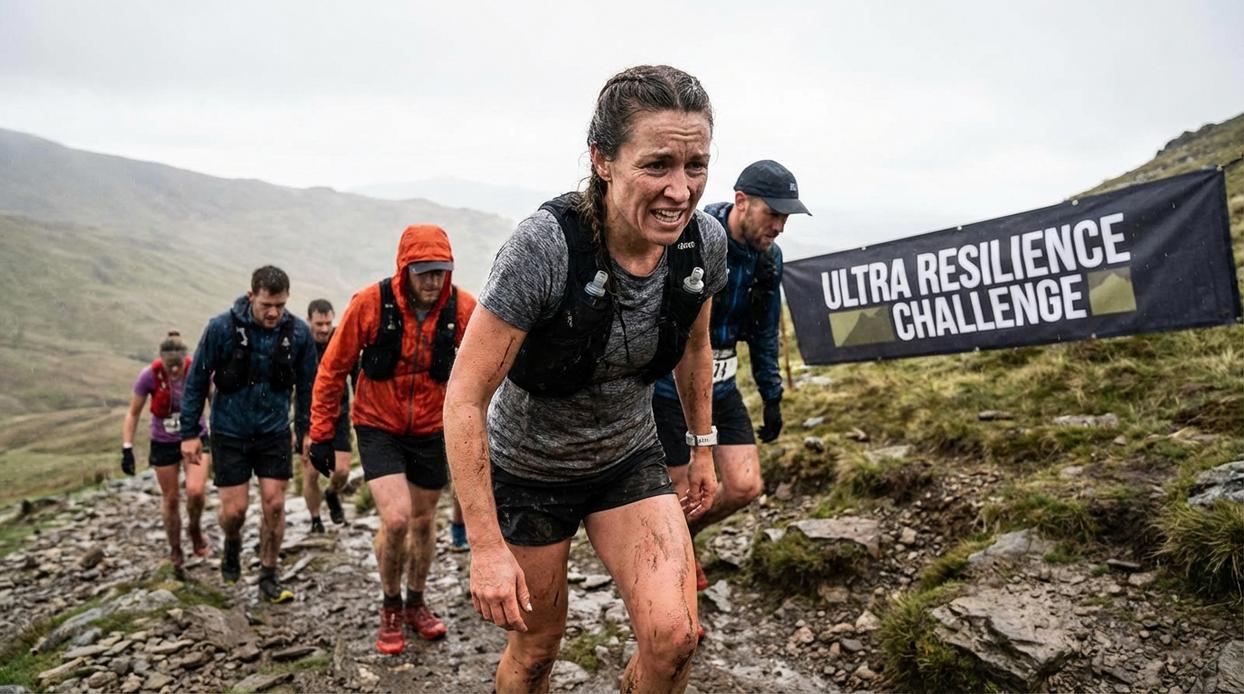
Physical training without mental conditioning is like building strength without mobility—impressive, but incomplete. A winning mental health game plan integrates daily wellness habits the same way an athlete programs lifts or drills.
Foundational Wellness: The Base Layer
Think of this as recovery vs. neglect.
Disciplined sleep hygiene (consistent sleep and wake times, dark room, limited screens) supports cognitive recovery. Research shows sleep deprivation impairs reaction time and emotional regulation (Walker, 2017). Eight intentional hours vs. five distracted ones? That’s clarity vs. chaos.
Nutrition and mood regulation go hand in hand. Diets rich in omega-3s, lean proteins, and complex carbs are linked to lower rates of depression (Harvard Health Publishing, 2022). Fueling with purpose vs. skipping meals isn’t just about energy—it’s about emotional stability.
Scheduled downtime prevents burnout. Rest is not laziness; it’s neurological repair. (Yes, doing nothing can be productive.) Pro tip: schedule recovery blocks the same way you schedule workouts.
Mental Conditioning Protocols: Training the Mind
Pressure moment: react or regulate?
Mindfulness and breathing exercises—like box breathing (inhale four, hold four, exhale four, hold four)—activate the parasympathetic nervous system, lowering stress in real time. This is especially vital in stress management for athletes.
Visualization techniques help rehearse success. Olympians often mentally run their routines before competition (Cumming & Williams, 2013). Seeing success vs. fearing failure rewires expectation.
Journaling builds awareness. Tracking triggers, moods, and wins transforms vague frustration into actionable insight.
Process Goals vs. Outcome Goals
Outcome goal: win the championship.
Process goal: refine footwork daily.
One creates anxiety; the other builds control. When you focus on controllable actions, performance improves naturally (and confidence follows).
If you want a structured system for integrating these habits, explore designing a personalized health optimization blueprint.
Train your mind daily—or let pressure train it for you.
Creating a Culture of Support: The Team’s Role in Mental Wellness
For years, we treated mental toughness like a solo sport. If an athlete struggled, the assumption was simple: they just needed to “push through.” That mindset cost us more than we realized. Performance dipped. Burnout rose. And worst of all, people stayed silent.
Eventually, we learned the hard way that mental health isn’t just an individual responsibility—it’s environmental. Culture shapes behavior. In psychology, culture refers to shared values, norms, and expectations that influence how people act. If the norm is silence, silence wins.
So what changed?
First, coaching leadership had to evolve. A coach sets the emotional thermostat of a team (yes, even on bad practice days). That means:
- Modeling openness about stress and recovery strategies.
- Inviting conversation instead of waiting for breakdowns.
- Normalizing rest and reflection as performance tools, not weaknesses.
At first, there was resistance. Some argued that too much openness would dilute competitiveness. But research from the American Psychological Association shows teams with psychological safety—defined as feeling safe to take interpersonal risks—perform better over time (APA, 2023). Vulnerability, it turns out, fuels trust.
Then there’s peer support. When teammates check in on each other, stigma fades. A simple “You good?” after practice can interrupt isolation. Think less “tough it out,” more Ted Lasso—where belief and empathy drive results.
Finally, integrating professionals matters. Access to sports psychologists and counselors shouldn’t feel like a last resort. It’s part of stress management for athletes, just like strength training supports muscle resilience.
The lesson? When the culture changes, individuals don’t have to fight alone. And that’s when real performance begins.
Your search for effective mental health strategies ends here. Ignoring mental health is a critical performance error that quietly caps your potential. Some argue grit alone is enough, that pressure builds champions. But unchecked stress erodes focus, recovery, and confidence. Mental resilience works like muscle: it strengthens with deliberate reps and consistent care.
This integrated approach succeeds because discipline fuels both body and mind. Research from the American Psychological Association shows structured coping skills improve performance under pressure (APA, 2022).
Start today:
- Commit to five minutes of stress management for athletes or initiate one honest conversation with a teammate.
Build the Foundation That Carries You Further
You came here looking for a smarter, more sustainable way to build strength, improve performance, and protect your long-term health. Now you understand how total fitness foundations, structured conditioning, daily wellness routines, and stress management for athletes work together to create real, lasting results.
The truth is, most athletes plateau or burn out not because they lack effort—but because they lack structure. Without a clear system, progress stalls, recovery suffers, and performance becomes inconsistent. That frustration is real. So is the risk of injury and mental fatigue.
You don’t need more random workouts. You need a plan that aligns your strength, recovery, mindset, and daily habits into one optimized strategy.
Here’s your next move: commit to a structured performance plan that prioritizes intelligent training and recovery. Get expert-backed protocols designed to eliminate guesswork, accelerate progress, and keep you performing at your peak. If you’re ready to stop spinning your wheels and start seeing measurable gains, take action now and implement a complete system built to support your long-term success.